 Donate

COLECTIVO DE INVESTIGACIÓN "COLIBRÍ"

Contando la historia de nuestra comunidad a través de la investigación
ALAS Colibrí es un centro participativo dedicado a involucrar las voces de la comunidad para enfrentar las disparidades de salud, el trauma estructural y las fortalezas basadas en la identidad cultural dentro de las comunidades marginadas, particularmente aquellas impactadas por la migración. Analizamos datos estadísticos, pero también una variedad de fuentes de información cualitativa para comprender los efectos de las injusticias sistémicas en las vidas de las personas, así como las formas de resistencia y resiliencia. Utilizamos un enfoque participativo, orientado a la acción y basado en las fortalezas. Nuestro equipo está compuesto por miembros de la comunidad, así como investigadores de instituciones de prestigio como Stanford, la Universidad de San Francisco y la Universidad de California, Irvine, además del personal de ALAS y miembros de la comunidad.
Áreas de interés
Salud mental de los jóvenes inmigrantes
La equidad sanitaria de los trabajadores agrícolas
El estrés, trauma, y las fortalezas relacionadas con experiencias de inmigración
La atención de salud mental centrada en la comunidad
El empoderamiento de la comunidad y los jóvenes
La investigación como defensa
Las estrategias de investigación comunitaria
Cultura Cura: Las artes culturales como intervenciones curativas
La salud mental y desarrollo de los jóvenes inmigrantes/latinos
Los impactos de la política en las desigualdades de salud y sociales en las comunidades inmigrantes
Programas de Participación Comunitaria
Comité Asesor Comunitario (CAB)
Colibrí es una iniciativa basada en la comunidad y liderada por la comunidad.
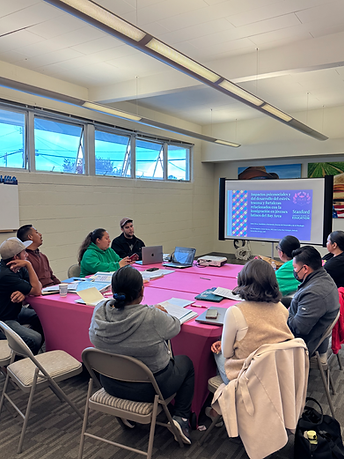
Colibrí se centra en nuestro Comité Asesor Comunitario (CAB, por sus siglas en inglés), un grupo de miembros de la comunidad que lideran creando prioridades, seleccionando colaboraciones y métodos, y fortaleciendo las relaciones entre los investigadores y la comunidad. Miembros del CAB participan en talleres informativos sobre los métodos y principios de la investigación. Investigadores también presentan sus proyectos ante el CAB para recibir comentarios sobre como hacer que sus enfoques de investigación sean participativos y basados en la comunidad.
Embajadores de YPAR
YPAR es la Investigación de Acción Participativa Juvenil
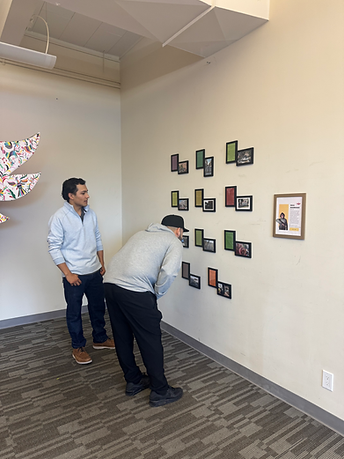
El programa Embajadores de YPAR involucra a estudiantes locales de secundaria y universitarios para desarrollar habilidades de investigación, fomentar la defensa de causas y ser líderes del cambio impulsado por la comunidad. Los estudiantes completan proyectos individuales o en pequeños grupos sobre cuestiones de equidad sanitaria en su comunidad, que culminan en una exposición fotográfica. A través de la fotografía, los estudiantes abordan temas que les apasionan, reflexionan sobre sus propias experiencias que dan forma a sus perspectivas sobre estos temas y comparten los cambios que esperan ver en su comunidad.
Vea una versión virtual de la Galería Comunitaria del 2025 aquí.
Proyecto Salvavidas
Un programa juvenil de carreras en el área de la salud
El Proyecto Salvavidas es una iniciativa diseñada para abordar la necesidad crítica de aumentar la representación de los estudiantes latinos en el campo de la salud. Salvavidas incluye talleres educativos y excursiones, paneles sobre carreras y creación de redes profesionales, tutoría profesional y asesoramiento universitario, y oportunidades de pasantías. Salvavidas está abierto a estudiantes de secundaria interesados en la atención de la salud, la medicina y las ciencias de la vida.
Salvavidas es una colaboración entre ALAS y Stanford Health Care, financiada generosamente por la fundación Gilead.
Si es un estudiante local o una escuela secundaria pública interesada en participar en Salvavidas, póngase en contacto con Antonio López, Director Asociado de Investigación y Promoción antonio@alasdreams.com

Iniciativas de Investigación
Estudios destacados

MIST-C: Measuring and healing immigration-related trauma in children
Development and validation of the Measure of Immigration-Related Stress, Trauma, and Strengths in Children (MIST-C)
In this mixed-methods study, we are developing and validating the Measure of Immigration-Related Stress, Trauma, and Strengths in Children (MIST-C), an interview-based clinical questionnaire. It is designed to identify stressors, trauma, and healing processes affecting the psychosocial wellbeing and mental health of immigrant, asylum-seeking, and refugee children. The tool adopts a strengths-based and trauma-informed approach. It will undergo pretesting and piloting at clinical and community sites in multiple geographic locations nationally for psychometric validation. The tool will support clinical, advocacy, and community-centered research goals.
Tags: Immigrant/Latine youth mental health and development; Immigration-related stress, trauma, and strengths; Community-centered behavioral health care; Research as advocacy

Coastside PRIMES: Community-embedded approaches to child behavioral health care
Coastside PRIMES (Promoting Resilience at the Intersection of community, legal, Medical, and Educational Supports) Clinic
The PRIMES clinic integrates educational advocacy, case management, community-supported telehealth, in-person DBP care, and access to legal aid. This clinical initiative aims to address the inadequate and inequitable access to developmental-behavioral pediatric (DBP) care for racially marginalized and largely immigrant communities. In our feasibility study, we are using mixed methods approaches to explore experiences and outcomes, including wait times, patient/family satisfaction, and staff/community views on feasibility, to inform a novel trauma-informed care program that is sensitive to the distinctive needs of this community. The program is a collaboration between ALAS, San Mateo County Legal Aid’s Family Advocacy Program (FAP), and Stanford Children’s Health Developmental-Behavioral Pediatrics (DBP).

Cultural arts program impact studies
Investigating the role of cultural arts in social and emotional wellbeing for youth
These qualitative studies investigate the effects of cultural arts programs on the well-being and mental health of immigrant youth. We have conducted interviews and focus groups to explore natural leadership resources and cultural richness of both parents and youth, as well as how cultural arts programs contribute to their well-being and mental health. We're particularly interested in understanding how these programs influence identity, family dynamics, and community well-being. This work aims to guide interventions and stimulate further exploration into the role of strength-based, culturally-grounded programs in mental health and educational settings that honor traditional indigenous healing practices. This body of work underscores the healing and community-building potential of cultural arts, while also highlighting the pressing need to address the psychological impacts of children and parents' documentation status on well-being in the United States. The findings will inform program development and policy priorities to support this community and bridge social and health disparities.
Proyectos adicionales
Understanding immigrant/latine youth emotional development through culture and identity
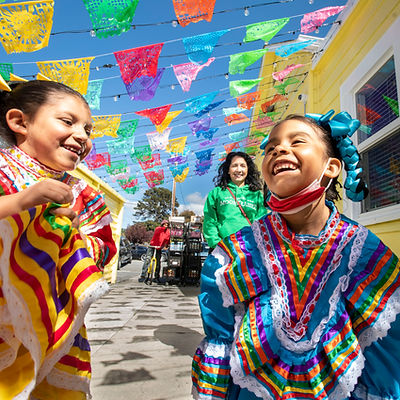
Many of our projects investigate how culture, identity, and immigration-related experiences impact youth mental health. We aim to not just document the negative consequences of racism and anti-immigrant policies, but to uplift the unique strengths attributed to immigrant experiences. Our strengths-based approach seeks to broaden developmental theories of attachment and emotional needs by exploring themes of community support, culture, and identity.
Tags: Immigrant/Latine youth mental health and development, Community and youth Empowerment, Cultura Cura: Cultural arts as healing interventions

Farmworker perspectives on social needs, health disparities, and structural violence
Farm workers are integral to the agricultural industry but are systematically excluded from health and social resources. Such exclusion has created economic, social, and health disparities. We have worked on multiple qualitative studies exploring farmworkers’ experiences and narratives related to social disparities and their priorities for social transformation. Our community-driven studies co-design methodologies with farmworkers and advocates to expose disparities, highlight strengths, and inform social action. Results from our studies have been shared with local and state politicians, and with members of Congress at the U.S. Capitol.
Tags: Farmworker health equity; Immigration-related stress, trauma, and resiliency; Policy impacts on health and social disparities in immigrant communities; Community-engaged research strategies; Research as advocacy

Literature review: Impacts of immigration on sleep
We are reviewing the literature to identify studies that will help us understand how moving to the United States affects children’s sleep. More specifically, we want to know what challenges immigrant children might face when it comes to getting good rest when compared to non-immigrant children. We do this because many immigrant children experience stress, trauma, or changes in their environment, which can lead to sleep problems and impact their overall health and well-being. This work is important because healthy sleep is essential for children’s growth, learning, and mental health, and understanding these issues can help families, teachers, and healthcare providers better support immigrant children.
Tags: Immigrant/Latine youth mental health and development; Immigration-related stress, trauma, and strengths
Publicaciones
Acompañamiento as a Latine critical race theory approach to community public health research | Latino Studies
Malagon, J.C.R. (2025).
Chapter 8: Racism and the Health of Latiné Communities | Racism: Science & Tools for the Public Health Professional, 2nd Edition
Lebrón, A. M. W.; Ruiz Malagon, J. C.; Viruell-Fuentes, Edna A. (2024)
Chapter 10: Un Respiro de Vida, a breath of life: Giving wings to farmworker families during the COVID crisis | School-Based Family Counseling for Crisis and Disaster
Herández-Arriaga, B. & Ruiz Malagon, J. C. (2023)
Olvidados Entre la Cosecha: Understanding Social Needs and Health Disparities through Farm Workers' Perspectives | Stanford Digital Repository
Ruiz Malagon, J. (2023).
There is a Monster in my House, Cultura Cura Uncovering 11 Milliones de Sueños: Understanding the Emotional and Psychological Experiences of Undocumented and Mixed-Status Youth and Finding Healing Spaces | University of San Francisco Scholarship Repository
Hernandez-Arriaga, B. M. (2017).
Nuestra Gente
ALAS está construyendo una coalición multidisciplinaria de investigadores y agentes de cambio que trabajan en la intersección de las disparidades de salud, el trauma estructural, la riqueza cultural y la identidad cultural en comunidades marginadas y racializadas, particularmente aquellas con vínculos a experiencias de migración.
Personal

Annie Berens, MD, MSc, MA
Research Director, ALAS; Adjunct Clinical Instructor, Developmental and Behavioral Pediatrics, Stanford School of Medicine

Antonio Lopez, MPhil, MFA
Associate Director of Research and Advocacy, ALAS; PhD Student in Modern Thought and Literature at Stanford University

Belinda Hernandez-Arriaga, EdD, LCSW
Founder and Chief Executive Officer, ALAS; Assistant Professor, University of San Francisco

Juan Carlos Ruiz Malagon, MS, MA
Research Coordinator, ALAS; PhD Student in Public Health, UC Irvine

Rocío Avila
Research Promotora and CAB Chair, Colibrí; Community Leader and Advocate for Decent Housing, ALAS
Colaboradores
Christina Buysee, MD
Clinical Associate Professor, Developmental and Behavioral Pediatrics, Stanford School of Medicine

Javier Omar
PhD Student in Developmental and Psychological Sciences, Stanford University Graduate School of Education

Nancy Ewen Wang, MD
Co-Director, Immigrant Child Health Program and Professor Emerita, Pediatric Emergency Medicine, Stanford School of Medicine

Ryan Matlow, PhD
Co-Director, Immigrant Child Health Program and Clinical Associate Professor, Psychiatry and Behavioral Sciences, Stanford School of Medicine

Sarah Izabel
PhD Student in Neuroscience, Stanford School of Medicine

Sarahi Espinoza Salamanca, MA
Founder and CEO, Dreamers RoadMap

Zaeda Blotner
Administrator, Immigrant Child Health Program, Stanford School of Medicine